Design of the Month - May
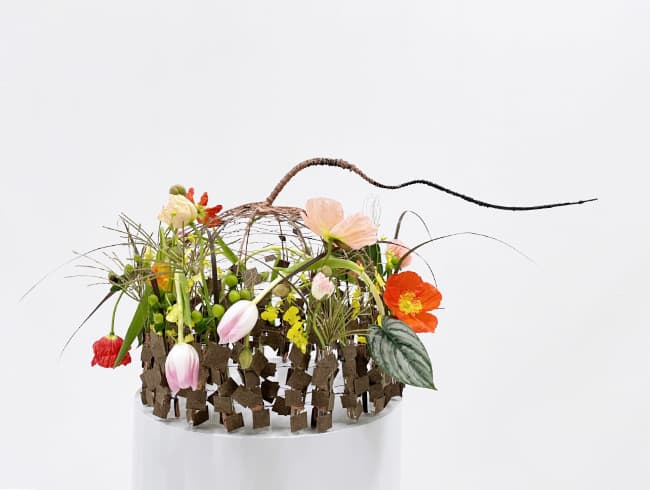
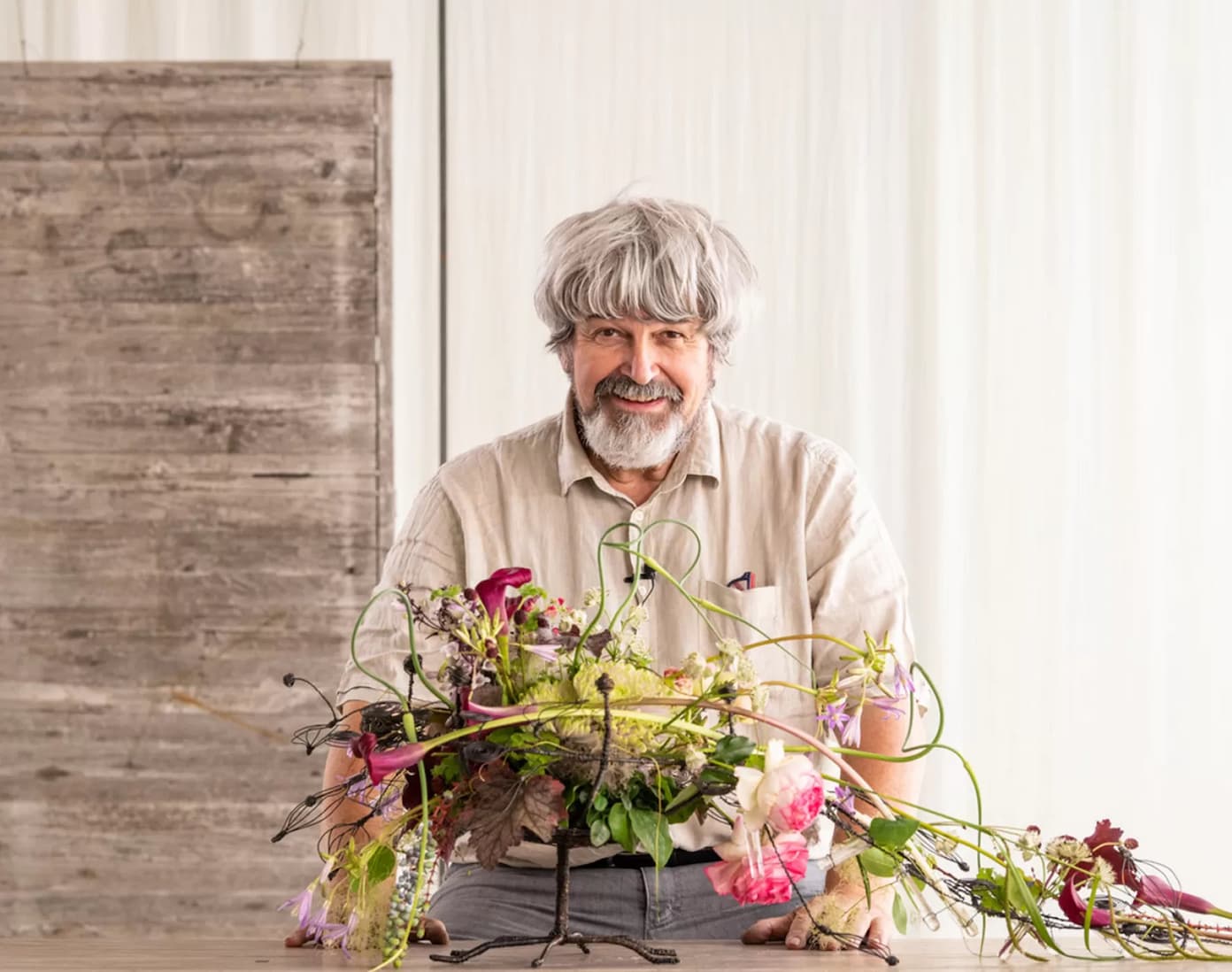
Our whimsical Design of the Month comes from the imagination of French Master Florist, Frédéric Dupré. The woven wire framework has squares of handmade paper encircling the lower section.
Some portions are painted with clay to add textural interest, and it has an extended tail that changes the proportions and continues the lively energy of the blooms.
Clear test tubes attached to the interior provide hydration for all stems which reach through the lines of wire to the exterior, creating a loose, garden-style silhouette.
A considered approach to textural contrasts with an added playful edge.
|
|
Task vs. Theme
Last month I had the judging a class in the International Friends of Floral Art & Design 'Enhance' virtual competition. The class called for a displacement exhibit, and the theme was "Outstretched". More than two dozen entries came in from competitors around the world.
It was a clarifying experience. Seeing a full cohort of entries side by side sharpened my understanding of the challenges competitors face - and reinforced something I have long believed about what separates a good competition entry from a truly memorable one.
After the competition, several people asked me about my judging process. I want to share what I observed -- because I think it is something every competitor, at every level, needs to hear.
The hardest thing to witness is always talented designers leaving points - and impact - on the table. Not because their work wasn't beautiful. But because they had invested so much energy in one part of the schedule that the other part had been left to fend for itself.
Every competition schedule contains two distinct demands: the task (what you are being asked to create) and the theme (what you are being asked to express). Think of the schedule as a question -- and both the task and the theme are parts of that question. A competition entry needs to answer all of it.
In this case: make a displacement design, and make it read as 'outstretched'. Both. At the same time.
It sounds straightforward, but in practice it is one of the most interesting creative challenges in competitive floral design. Which is more important -- a design that is technically correct but doesn't speak the theme? Or a composition that captures the theme beautifully but doesn't meet the design definition at all? There is no comfortable answer.
What I can tell you, having looked at entry after entry from the judging seat, is the designs that stopped me were the ones where both demands had been met with equal intention. Where the technical and the expressive were in genuine conversation with each other.
|
|
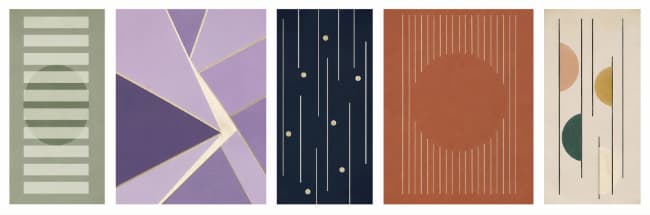
A series of five diagrams that each, in a different way, graphically interpret the theme for the next Designing to Win program - Between the Gaps.
If you've ever wanted to enter a competition and felt unsure where to start -- or if you have competed before and want to go deeper into the thinking behind strong entries, Designing to Win was built for you. We work through the process together: reading a schedule, developing a concept, making design decisions that serve both the task and the theme.
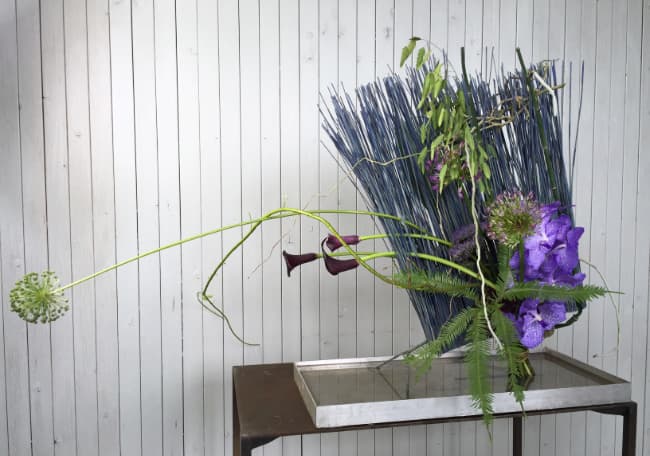
The theme this time is Between the Gaps. The task is to create an arrangement for display on a plinth at the entrance to an art gallery - a context that carries its own design requirements, its own scale, and its own relationship with the viewer.
Interpreting an evocative theme while designing for a specific setting is exactly the kind of layered creative challenge that makes competition work so rewarding to prepare for, and so satisfying to get right.
|
|
Designing to Win - Between the Gaps
29 June - Free Seminar - Intro to Competing
13 July - First Design Forum
27 July - Second Design Forum
You design well. Now learn how to score well.
|
|
A Moment That Matters
There are opportunities that feel open-ended, as though they will come around again. And then there are the ones that, if you are honest with yourself, you know are different. Connections ’26 feels like the second kind.
In August, Gregor Lersch comes to Sydney. For those of us in Australia, this is not a small thing. Gregor has shaped the language of contemporary floral design more than almost anyone alive. His thinking is rigorous and generous in equal measure — a body of work that continues to evolve and surprise. The chance to spend time with him in a room, working through ideas together, is not one I take lightly, and I don't think you should either.
|
|
Connections ’26 with Gregor Lersch
Sydney: 14–17 August 2026
|
|
Sources and Systems - a One-Day Symposium
If you've ever watched a gifted designer work and wondered what is actually happening, where the ideas are coming from, how one decision leads to the next, Sources and Systems is the closest thing I know to an answer.
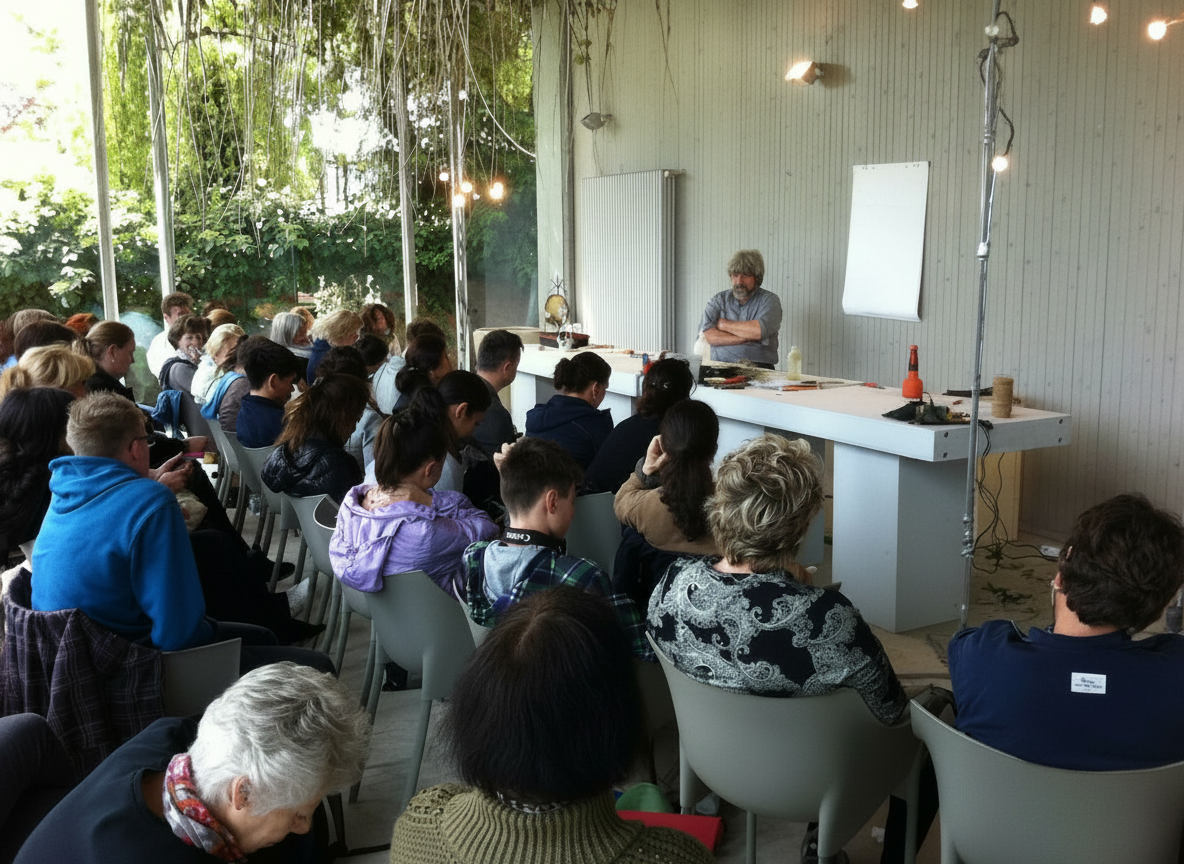
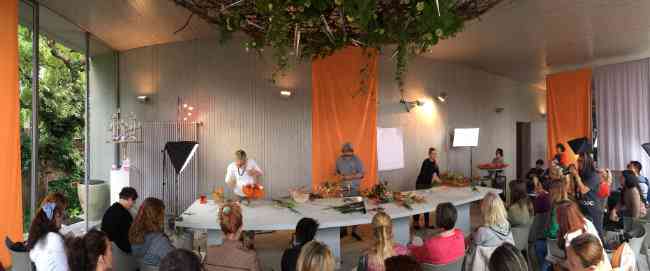
Over the course of one day, Gregor takes you inside the structure of his creative process. He works through his design schema, demonstrates the journey from initial inspiration to a fully resolved design, and analyses visual balance in real time.
The value of the symposium lies in seeing that process unfold directly. Watching Gregor work at this level reveals the discipline, judgement and decision-making that sit behind sophisticated design work. This isn't a presentation of finished works - rather, it is an examination of how those results come to be.
The symposium is designed as a concentrated day of creative analysis and design thinking. For designers, educators, students and anyone seriously interested in contemporary floral practice, access to that level of experience and reflection is rare.
|
|
New From Known - A Three-Day Workshop
Original ideas rarely emerge from nowhere. More often, they develop through the connection of existing knowledge, styles, techniques and references in unfamiliar ways.
Built around Linking, Gregor’s most recent theoretical framework for generating original ideas, New from Known explores how those connections can be developed consciously and deliberately within contemporary floral practice.
Over three days, participants work directly with Gregor through demonstrations, making, discussion and critique. The workshop is designed not only to inspire, but to give participants practical methods for generating ideas deliberately rather than waiting for inspiration to appear unpredictably.
On one the days we focus on basketry and abstraction. If you're interested in baskets as structural or textural elements or as conceptual reference within design, this material opens entirely new possibilities. It is also the kind of work best experienced in person, as ideas evolve through Gregor’s guidance and the collective thinking of the room.
It’s rare to experience this depth of Gregor’s knowledge in Australia, and the program is already over half full. If you're considering joining us, I encourage you to register while you can.
(You can secure your place with a 20% deposit and settle the balance in July. Just reply to this email and I’ll arrange it.)
|
|
Check out the Sydney program here and look at the connections you could make: |
|
Why This Particular Moment Matters
Gregor is one of the most important living voices in floral design. His career spans continents, generations and an extraordinary range of ideas, and he brings all of it into the room with warmth, precision and curiosity.
Exploring design with Gregor is stimulating in the way that only direct contact with deep expertise can be, and opportunities to work with him in Australia are rare.
|
|
I continue to find that direct engagement with Gregor’s process and methods sharpens the way I conceive ideas, resolve design problems and evaluate my own work. I hope you will join me and share this experience too.
|
|
Thank you for reading this edition of Flower Thoughts. See you for more design inspiration next month.
|
|
Mark
PS. Find all the back-issues of Flower Thoughts at flowerthinking.com.
|
|
|
|
|